Health and Safety Policy for Wood Green Skip Hire
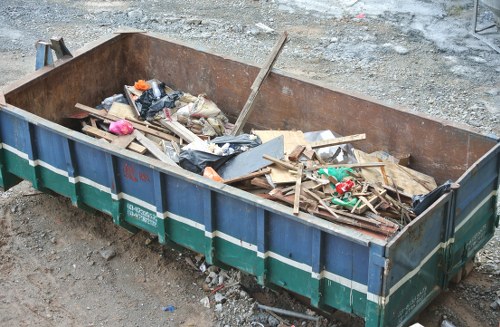 Wood Green Skip Hire is committed to maintaining the highest standards of health, safety and environmental protection across its skip hire and rubbish removal operations within our service area. Our policy sets out the principles we follow to protect employees, contractors, customers and the public from harm while delivering reliable skip hire and waste collection services. We recognise that effective risk control is central to our duties and will ensure that safety considerations are integrated into planning, delivery and review of all work activities related to rubbish collection service and skip hire logistics.
All personnel must understand their role in implementing this policy. Responsibility for health and safety rests at every level: senior management will provide leadership and resources while supervisors and operatives must follow safe systems of work, report hazards and participate in training. Compliance with relevant statutory requirements and recognised good practice for a rubbish company, waste transfer and on-site handling of materials is mandatory. We will appoint competent persons to advise on and coordinate health and safety matters across our waste management operations.
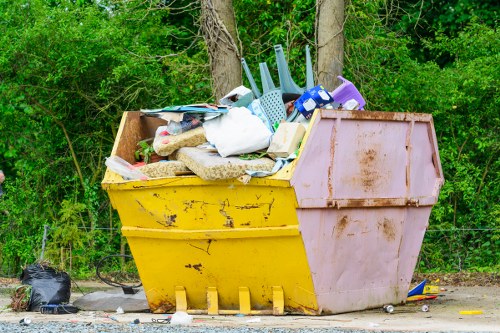 Risk assessment is central to preventing accidents and illness. We will identify hazards associated with skip loading, vehicle movements, manual handling, hazardous waste identification, and on-site stacking. For each identified risk we will implement control measures including engineering, administrative and personal protective equipment (PPE) measures. Regular site inspections and permit-to-work arrangements are applied for complex or high-risk rubbish removal tasks, and methods are reviewed following any incident or near miss. All operatives are expected to adopt safe working practices and to stop work where a danger is perceived.
Safe Systems, Training and Communication
We will provide induction and ongoing training tailored to roles within our skip hire and rubbish disposal service. Training covers safe driving, vehicle loading and restraint, segregation of recyclable and hazardous materials, use of lifting equipment, manual handling techniques and first aid. Information about risks and controls will be communicated through toolbox talks, site briefings and written procedures. Supervisors will maintain training records and ensure competency before staff undertake unsupervised duties in the service area.
 Key preventative measures include:
- Vehicle safety: regular servicing, checks before each shift and securing loads to prevent spillage during transit.
- Manual handling controls: mechanical aids and team lifts for heavy items; limits on individual lifting tasks.
- PPE and hygiene: provision of gloves, high-visibility clothing, safety boots, eye protection and hand washing facilities.
- Hazardous waste procedures: immediate segregation and safe containment, with specialist disposal routes for oils, asbestos-containing materials and other controlled wastes.
- Traffic management: safe site layouts, banksmen for vehicle movements and clear access to public highways when operating within the service area.
Emergency Response, Monitoring and Continuous Improvement
Emergency procedures for spills, fire, injury and environmental incidents are in place and rehearsed periodically. First aid equipment and trained first aiders are available across our operational teams. In the event of a significant spillage or uncontrolled release, staff must secure the area and follow containment protocols while notifying the designated manager. We maintain incident records and carry out investigations to identify root causes and corrective actions. Lessons learned are fed back into training and operational procedures to prevent recurrence.
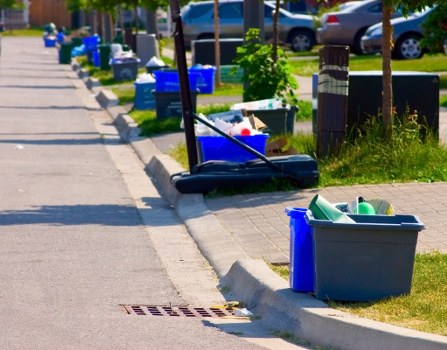 We undertake regular monitoring of health and safety performance through audits, inspections and review of key indicators such as accident frequency, near misses and compliance with waste handling procedures. Contractors and temporary staff are assessed for competence and integrated into our safety management regime. Our approach to environmental stewardship supports safe rubbish disposal and aims to minimise pollution risks from vehicle operations, skip siting and transfer activities across the service area.
 Accountability and review: the policy will be reviewed at least annually or sooner after significant change, incident or regulatory update. Managers are accountable for implementation in their areas; employees and contractors are accountable for working safely and reporting hazards. Wood Green Skip Hire is committed to continuous improvement in health and safety and expects all stakeholders to contribute. By maintaining clear responsibilities, robust procedures and effective training we ensure that our rubbish collection and skip hire services are delivered safely, responsibly and sustainably across our operational service area.